This blog [issue] confirms the Chaos Theory! You see... Eccentrica Gallumbits flapped her Lorenz attractor while entertaining at the Wonderbra. Which cause a rupture in the Blogosphere. Where as this Blogger was caught not wearing his Aluminum Foil Deflector Beanie (AFDB)

Why does science fiction love extra breasts so much? Blame Douglas Adams, who threw in a reference to the triple-breasted whore Eccentrica Gallumbits (The Best Bang since the Big One) in Hitchhiker's Guide to the Galaxy.

Then William Shatner and Paul Verhoeven got their hands on the concept. Star Trek V, Shatner's directorial debut and swansong, features a three-breasted cat dancer (above) who wrestles Captain Kirk.

InTotal Recall, a sex-worker flashes her accessory breast at Arnie, who miraculously doesn't grope her. How long before we have three breasts in 3-D?
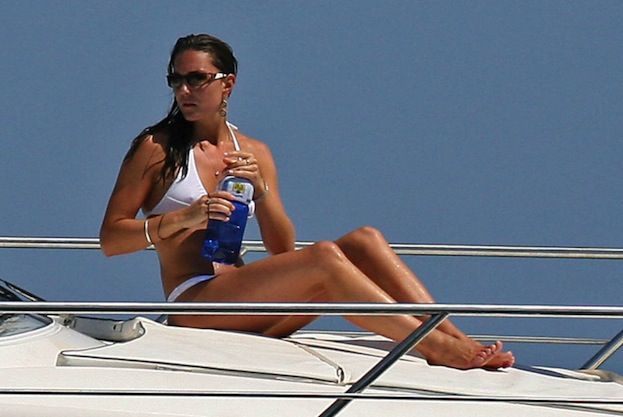
Did you know that Kate Middleton is an anagram of "naked tit model"

Kate Middleton Nude Photos Flap Sparks
Silvio Berlusconi Vs. the Queen
Conspiracy Theory
 When Did Bare Breasts Become Taboo?

Kate Middleton Nude Photos Flap Sparks
Silvio Berlusconi Vs. the Queen
Conspiracy Theory


Who put the -stan in Afghanistan? We can thank the Proto-Indo-Europeans. These folks spoke the Proto-Indo-European language (PIE), a prehistoric Eurasian language that linguists have reconstructed.
The PIE root, stā-, or “stand,” found its way into many words in the language’s various descendants. The Russian -stan means “settlement,” and other Slavic languages use it to mean “apartment” or “state.” In English, the root was borrowed to make “stand,” “state,” “stay” and other words. The ancient Indo-Iranian peoples — descendants of Proto-Indo-Europeans who moved east and south from the Eurasian steppe – used it to mean “place” or “place of.” It’s this meaning that’s used for the names of the modern -stan countries, which got it through linguistic descent (Urdu and Pashto, the respective official languages of Pakistan and Afghanistan, both descend from the Indo-Iranian language), or by adopting it (the former Soviet -stan countries have historically been mostly ethnically Turkic and speak languages from the Turkic family).
Afghanistan is the “Land of the Afghans.” Afghan has historically referred to the Pashtun people, the country’s largest ethnic group.
Kazakhstan is the “Land of the Kazakhs.” Kazakh is derived from a Turkic word meaning “independent.”
Kyrgyzstan is the “Land of the Kyrgyz.” The etymology of Kyrgyz is murky, but it is usually said to be derived from the Turkic word for “forty,” in reference to forty clans that banded together.
Pakistan means “Land of the Pure” in Urdu (from the Indo-Iranian pak, or “pure/clean”), but that’s a convenient coincidence. The country’s name was constructed as an acronym in the 1930s, referring to the area’s constituent cultures: Punjabi + Afghani + Kashmiri + Sindhi + Balochistan (and an extra i thrown in to aid pronunciation).
Tajikistan is the “Land of the Tajiks.” Tajik was used historically by Turks to refer to “non-Turks” that spoke Iranian-related languages.
Turkmenistan is the “Land of the Turkmen.” Older sources explain that Turkmen means “Turk-like” or “resembling a Turk,” while more modern sources interpret it as “pure Turk” or “most Turk-like.”
Uzbekistan is the “Land of the Uzbeks.” Uzbek is said to either come from Uzbek Khan, a tribal leader who united different groups in the region, or a combination of Turkic words meaning “his own master.”



[Job 10:22]
to the land of deepest night,
of deep shadow and disorder,
where even the light is like darkness."
[Psalm 23:4]
Yea, though I walk through the valley of the shadow of death,
I will fear no evil: for thou art with me;
thy rod and thy staff they comfort me.
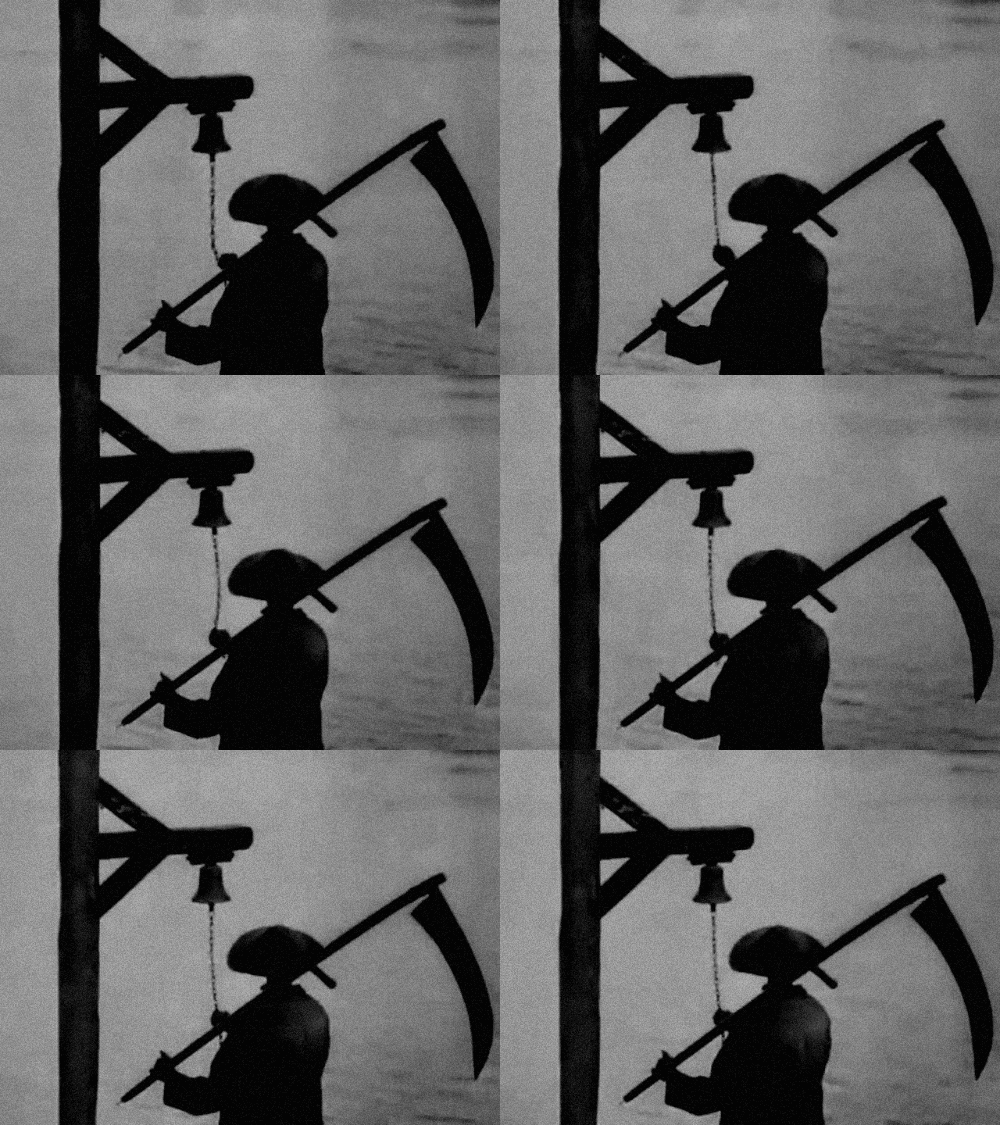
For Whom The Bell Tolls - Ernest Hemingway

"Screw You and your kind! Enough all ready,
I going surfing!" the Concept of Defiance

That's going to leave a mark


The History of Surfing From Captain Cook to the Present


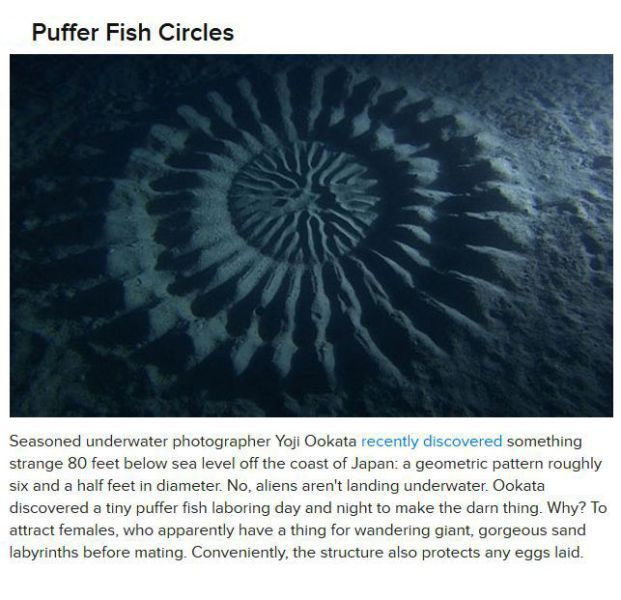
Fukushima, Japan, 2011 – The large, Godzilla-like aquatic creature that has appeared off the coast of Fukushima, Japan, was described by Tokyo Electric Power Co. chairman Tsunehisa Katsumata as a ”purely natural phenomenon” entirely unconnected to the ongoing crisis at the Fukushima Daiichi nuclear power plant. His assessment was subsequently confirmed by Japanese governmental authorities. However, Godzilla first appeared in 1954 – with the nuclear bombings/testing still fresh in the Japanese consciousness.
OUTSTANDING LINKS
Rub Your Way Through History With GE Rubbable Gifs

This Beyoncé - Booty Clapping - Truly Hypnotic
No buts, in Beverly Hills it has to be a Butt Job
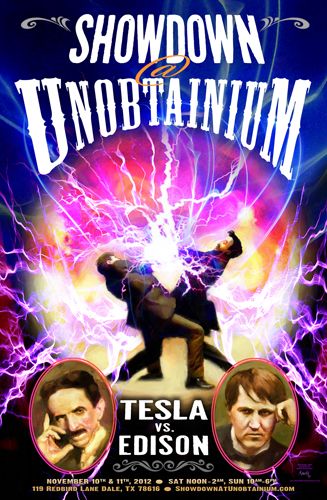

Atomic blast sold separately

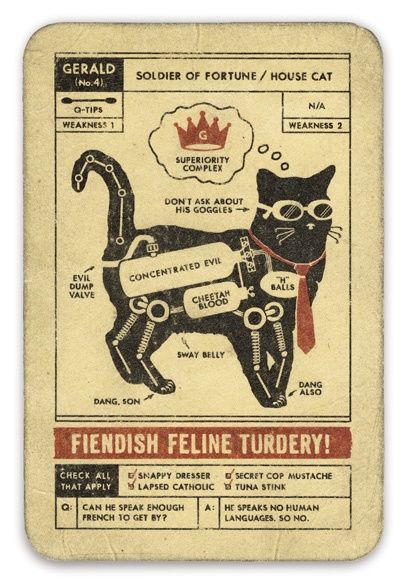


HORRIBLY UNAPPETIZING VINTAGE FOOD IDEAS

prune party - yeah, good luck with that…

I can’t tell you how many times I’ve bitten into a birthday cake and thought to myself, “Hmm, needs more mayonnaise.” If this is Mrs. Filbert’s (early 1940's mad yoke of the food world) idea of a product innovation, then clearly there aren’t many brain cells hiding behind that beautiful, sexy smile of hers or could be early signs of madness


Global Bacon Shortage 'Unavoidable' Next Year, Says U.K.'s National Pig Association

I just discovered this important info! It's not the food that makes me fat!
I don't know why I didn't figure this out sooner! It is the shampoo I use in the shower! When I wash my hair in the shower the shampoo runs down my whole body and DUH!!!! Printed very clearly on the shampoo label is this warning, "For Extra Volume and Body". No wonder I can't lose weight easily!
I have gotten rid of that shampoo and I am going to start using Dawn dish soap instead. It's label reads, " Dissolves fat that is otherwise difficult to remove".

A real (original) ping pong show...